


Contents
Scroll to:
https://doi.org/10.37489/2587-7836-2026-1-49-57
EDN: QHCTTI
Scroll to:
Relevance. BCRP (Human Breast Cancer Resistance Protein) (ABCG2, MXR; ABCP) is an efflux ATP-dependent transporter protein that plays a crucial role in the pharmacokinetics of a wide range of drugs. To enhance therapeutic safety and predict potential pharmacokinetic drug-drug interactions, international regulatory bodies recommend testing medicinal substances for their affiliation with substrates and inhibitors of BCRP. Preclinical studies are primarily conducted using cell lines that overexpress BCRP in vitro.
Objective. The aim was to develop and experimentally validate a methodology for assessing medicinal substances as substrates or modulators of BCRP activity in vivo.
Materials and methods. Six sexually mature male rabbits of the Soviet Chinchilla breed, weighing between 3000 g and 4000 g, were used in this study. Sulphasalazine was chosen as the classical substrate for BCRP and was administered intragastrically at a dose of 125 mg/kg. Pharmacokinetic evaluation involved blood sampling from ear veins at time points 0.25 h; 0.5 h; 1 h; 1.5 h; 2 h; 3 h; 5 h; 8 h; 12 h; and 24 h post-administration. Quercetin, known as a potent inhibitor of the transporter, was also administered either as a single dose (100 mg/kg) or chronically (25 mg/kg daily for seven days). After both acute and chronic quercetin administration, sulphasalazine was reintroduced, and its pharmacokinetics were assessed again. Plasma concentrations of sulphasalazine were analyzed by HPLC-MS/MS. Model-independent methods were employed to calculate pharmacokinetic parameters. Differences among groups were evaluated via analysis of variance, assuming a log-normal distribution of data.
Results. With a single administration of the BCRP inhibitor quercetin to rabbits, of all the tested pharmacokinetic parameters of sulfasalazine, only Cmax significantly increased, while the remaining parameters (AUC0-t; AUC0-∞ and T1/2) did not significantly change (p > 0.05). With the course administration of the BCRP inhibitor, a significant increase in Cmax values was observed by 3.1 times, AUC0-t and AUC0-∞ by 2.81 times (p = 0.0048**) and 2.49 times (p = 0.0192*), respectively, of the sulfasalazine transporter substrate, indicating a decrease in BCRP activity. In this case, inhibition depends on the duration of quercetin administration, which is confirmed by a significant difference in pharmacokinetic parameters between a series of single and course injections of the substance (p < 0.05).
Conclusion. An original method has been developed and experimentally validated for testing medicinal compounds as substrates or modulators of BCRP activity in vivo using male Soviet Chinchilla rabbits as test subjects, with sulphasalazine (125 mg/kg) serving as the transporter substrate and quercetin (administered either as a single dose of 100 mg/kg or as a course of 25 mg/kg/day for seven days) as the inhibitor.
Povetko M.I., Mylnikov P.Yu., Shchulkin A.V., Yakusheva E.N. Experimental substantiation of in vivo methods for evaluating substrates and modulators of BCRP transporter protein activity. Pharmacokinetics and Pharmacodynamics. 2026;(1):49-57. (In Russ.) https://doi.org/10.37489/2587-7836-2026-1-49-57. EDN: QHCTTI
BCRP (breast cancer resistance protein) (ABCG2, MXR; ABCP) is an efflux ATP-dependent transporter protein normally localized in various histohematic barriers, such as the blood-brain, placental, and blood-testis barriers [1]. Transcripts of the protein have been detected in the small and large intestines, liver, kidneys, bile ducts, and several other organs. This localization pattern supports its involvement in the absorption, distribution, and elimination of drug substances that are its substrates [2, 3].
This protein exhibits broad substrate specificity and can transport a wide range of drugs: mitoxantrone, methotrexate, sulfasalazine, rosuvastatin, etc. [2–4]. Some of these compounds can significantly influence its functional activity; thus, the following inhibitors of this transporter protein (quercetin, reserpine, nimodipine, omeprazole, etc.) have been studied [2, 3]. BCRP inducers are also being actively developed [2, 3, 5].
When a BCRP substrate and inhibitor are co-administered, the concentration of the substrate in the blood increases, which, in turn, is accompanied by the development of adverse drug reactions [6]. For example, the simultaneous administration of sulfasalazine and the neurokinin I antagonist rolapitant may lead to increased absorption of sulfasalazine from the small intestine, consequently reducing the amount of the drug in the intestinal lumen and decreasing therapeutic efficacy in the treatment of Crohn's disease. Furthermore, the increased plasma concentration of the substrate in this case may lead to a higher incidence of systemic side effects [7].
Given the above, to enhance the efficacy and safety of ongoing therapy and to predict the development of pharmacokinetic drug-drug interactions, leading global regulatory authorities recommend testing drug substances for their affiliation as substrates and inhibitors of BCRP, as well as of other clinically significant transporters (Pgp, OATP1B1, OATP1B3, OAT1, OAT3, OCT2) [8, 9].
According to international guidelines, such studies are initially conducted in vitro using cell lines overexpressing BCRP. Then, if the result is positive, clinical studies are recommended without testing on laboratory animals. However, this approach does not account for the indirect effects of drug substances on transporters, particularly the influence on the expression level of the gene encoding the transporter, which indicates an increase or decrease in its synthesis, potentially leading to changes in its quantity and functional activity. For instance, the phenomenon of transporter induction cannot be established in in vitro experiments, and no such recommendations exist in current guidelines. Such an effect can only be assessed in in vivo experiments on laboratory animals with repeated administration of the test drug [10].
Therefore, it is necessary to develop an adequate, reproducible experimental method to assess whether drug substances act as substrates or modulators of BCRP activity in in vivo experiments.
Considering the similarity of the amino acid composition of BCRP in humans and rabbits, the possibility of repeated blood sampling from the same animal, the ability to design the experiment analogously to a clinical study, the bioethical issues associated with using large numbers of rats and mice, and previous experience with in vivo research, rabbits were chosen as a convenient and adequate test system for the present study [11, 12].
Aim – To develop and experimentally validate a methodology for testing drug substances for their affiliation as substrates and modulators of BCRP activity in in vivo experiments.
The study used 6 sexually mature male rabbits of the Soviet Chinchilla breed, weighing 3000–4000 g.
The rabbits were housed under standard conditions in an experimentally clean room of the vivarium at Ryazan State Medical University of the Ministry of Health of the Russian Federation, featuring a "clean" and "dirty" corridor system and an automatic light/dark cycle. The animal room maintained a temperature of 21–24 °C and humidity of 55–65 %, with at least 12 air changes per hour.
The studies were conducted in accordance with Good Laboratory Practice regulations (Decision of the Council of the Eurasian Economic Commission No. 81 of 03.11.2016 "On Approval of the Rules of Good Laboratory Practice of the Eurasian Economic Union in the Sphere of Medicinal Products Circulation") [13].
The experiments performed were approved by the Committee for the Control of Laboratory Animal Maintenance and Use of Ryazan State Medical University of the Ministry of Health of the Russian Federation (Protocol No. 11 dated 29.01.2018).
At the conclusion of the experiment, animals were euthanized by overdose of anesthetic agents in accordance with the vivarium SOP of Ryazan State Medical University (intramuscular administration of Zoletil at a dose of 30 mg/kg body weight and xylazine at a dose of 20 mg/kg body weight using a sterile 2 ml disposable syringe).
Study Design. The study was conducted as a sequential experiment on 6 male rabbits. To assess the affiliation of substances as BCRP substrates and inhibitors, sulfasalazine was used as the substrate and quercetin as the inhibitor.
Sulfasalazine and quercetin were selected as classic substances with proven substrate affiliation (the former) and inhibitory activity (the latter), as well as exhibiting mild systemic side effects upon oral administration due to poor intestinal absorption, which could otherwise affect the experimental results.
To assess whether a test substance is a BCRP substrate, its key pharmacokinetic parameters related to blood concentration (Cmax, AUC0-t, AUC0-∞) should be compared with baseline values following administration of an inhibitor. If the 90% CI of the geometric mean ratio for these parameters increases significantly by more than 25%, the test substance is a substrate of the studied transporter.
To assess whether a test substance is a transporter inhibitor in an in vivo experiment, a known BCRP substrate is selected. In the present study, we used sulfasalazine, and the test substance is administered either once or as a course prior to the second administration of sulfasalazine. If the 90% CI of the geometric mean ratio of the pharmacokinetic parameters of sulfasalazine (Cmax, AUC0-t, AUC0-∞) significantly exceeds the range of 0.80–1.25 on the upside compared to baseline, the test substance is an inhibitor of the studied transporter; if the 90% CI falls below this range, it is an inducer.
During the experiment, in Study Series 1, animals received the classic BCRP substrate sulfasalazine ("Sulfasalazine", 500 mg, Ozon LLC, Russia) at a dose of 125 mg/kg intragastrically (i.g.) [14]. Subsequently, blood samples (1 ml) were collected from the marginal ear vein of the rabbits into heparinized 15 ml centrifuge tubes at the following time points: 0.25 h; 0.5 h; 1 h; 1.5 h; 2 h; 3 h; 5 h; 8 h; 12 h; 24 h. The samples were then centrifuged (Elmi CM 6M centrifuge, Latvia (1750 g, 10 min) to obtain blood plasma, which was frozen at -80 °C until quantitative analysis (Series 1 – i.g. administration of sulfasalazine).
After a washout period of 7 days, necessary for complete elimination of sulfasalazine and recovery of the animals from blood collection [15], Series 2 of the experiment followed, consisting of two phases. Initially, animals received a single dose of the classic BCRP inhibitor quercetin ("Quercetin", 25 mg, Evalar, Russia) at a dose of 100 mg/kg, and 30 minutes later, they again received sulfasalazine at the same dose, with blood collected at the same time points (Fig. 1).
A washout period followed again, after which a course of quercetin administration was started at a dose of 25 mg/kg for 7 days. On day 7, animals received quercetin – 25 mg/kg and, after 30 minutes, sulfasalazine at a dose of 125 mg/kg, with blood collected at the same 10 time points.
Quantitative Analysis of sulfasalazine in the obtained plasma samples was performed using HPLC-MS/MS on an Ultimate 3000 HPLC system ("ThermoFisher", USA) equipped with an autosampler and a TSQ Fortis mass spectrometer ("ThermoFisher", USA) according to a previously developed and validated method [16].
Sample preparation involved protein precipitation from plasma after thawing by adding 600 µL of a methanol solution containing valsartan (internal standard) at a concentration of 100 ng/mL to 200 µL of the sample. The samples were then vortexed for 5 min (Vortex, Heidolph Instruments GmbH & Co KG, Germany), centrifuged for 10 min at 21000 g and 4 °C (Avanti® JXN-30 centrifuge, Beckman Coulter Inc., USA). The supernatant was transferred to vials and placed in the autosampler; injection volume was 100 µL.
Chromatographic analysis conditions were as follows: column Luna Omega 3 µm Polar C18 50×2.1, 3 µm, guard column of the same type – C18 3 µm. Separation temperature was 35 °C, flow rate was 0.3 mL/min. A gradient elution mode was used (0.1% formic acid solution/methanol ratio): 0.0 min – 60/40%, 0.3 min – 15/85%, 4 min – 1/99%, 6 min – 60/40%, 8 min – 60/40%. Negative ionization mode was used. Detection method – tandem mass spectrometry. Ion transfer capillary temperature was 300 °C, vaporizer temperature was 350 °C. Collision gas was argon at a flow of 2 mTorr, in-source fragmentation was 10 V. Injection volume was 10 µL, analysis time was 8 minutes.
The method was validated for selectivity, lower limit of quantification, linearity, accuracy, precision, carryover, stability, matrix effect, and extraction recovery.
Pharmacokinetic Analysis. Pharmacokinetic curves were constructed based on the obtained substrate concentrations. Subsequently, the following pharmacokinetic parameters of sulfasalazine were calculated using a non-compartmental method:
Cmax – maximum concentration (ng/mL);
AUC0–t – area under the concentration-time curve from zero to the time of the last blood collection (ng·h/mL) (calculated using the trapezoidal method);
AUC0–∞ – area under the concentration-time curve from zero to infinity (ng·h/mL);
T1/2 – elimination half-life (h).
Statistical Analysis. Statistical processing of the obtained results was performed using Microsoft Office XP software package and GraphPad Prism 10.0 software (GraphPad Software, Inc., USA). To determine statistically significant differences between groups, analysis of variance (ANOVA) was used; group comparisons with the control were performed using Tukey's method. The results are presented as the geometric mean and its 90% confidence interval. Additionally, the two-sided 90% confidence interval (CI) for the ratio of geometric means of sulfasalazine pharmacokinetic parameters was calculated. Differences were considered statistically significant at p < 0.05.
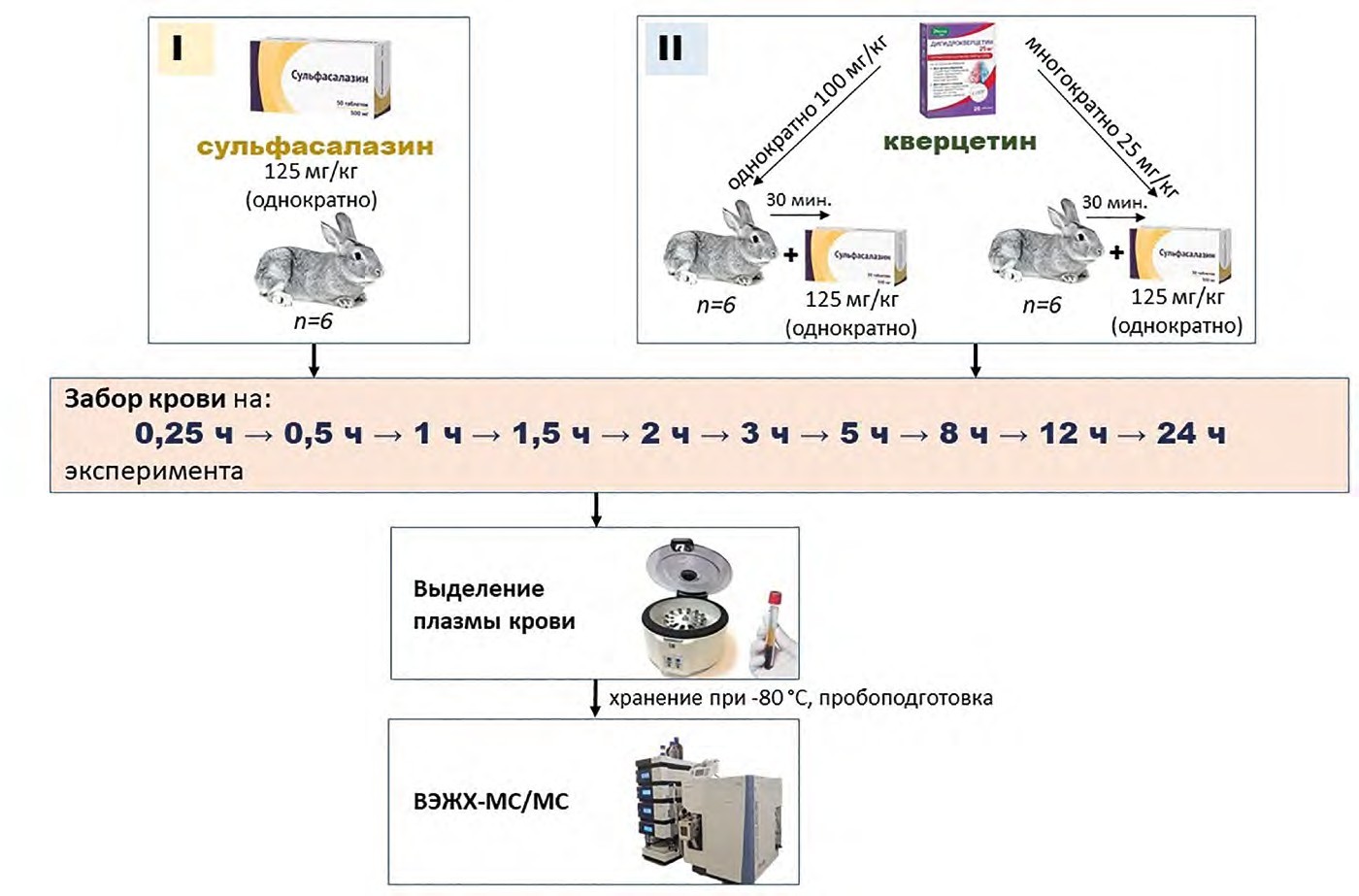
Fig. 1. Schematic diagram of the experimental procedures for Study Series 1 and 2
Source: Povetko M. I. et al., 2025.
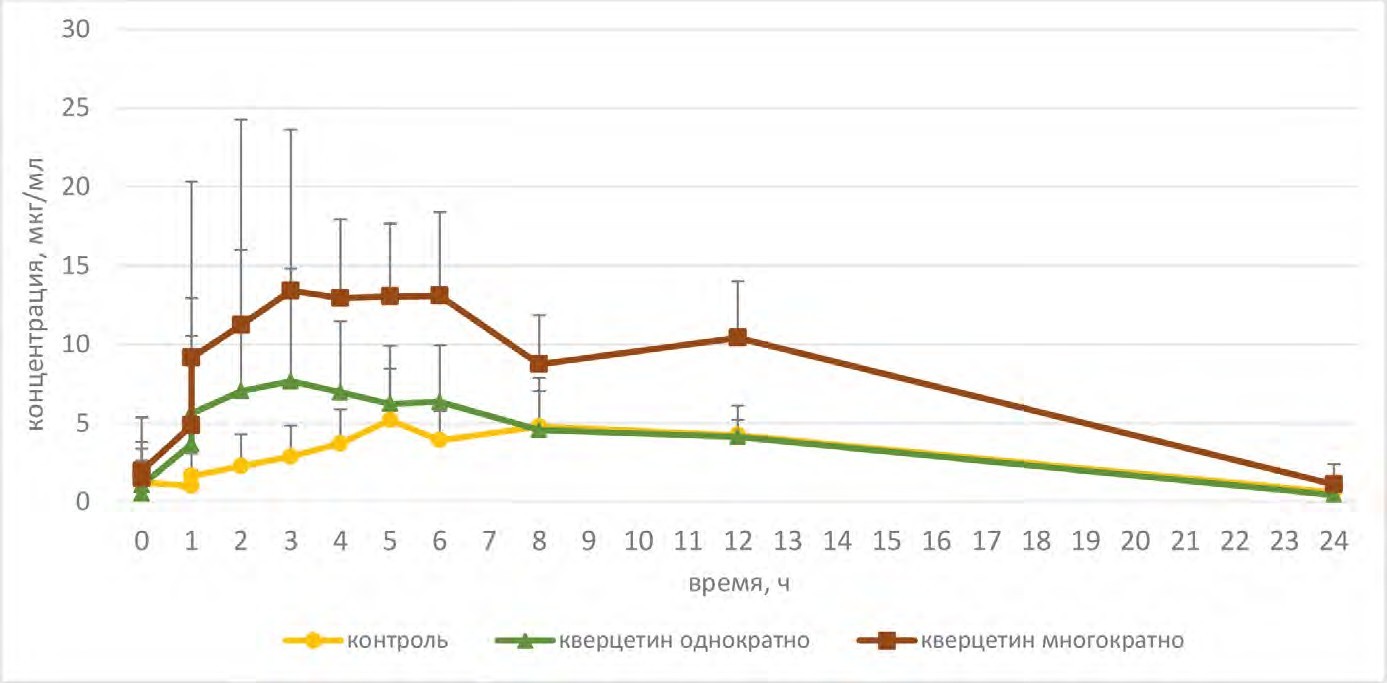
Fig. 2. Mean concentration-time pharmacokinetic curves of sulfasalazine (125 mg/kg) in the control series, and after single (100 mg/kg) and multiple (25 mg/kg) administration of quercetin
Source: Povetko M. I. et al., 2025.
The presented data show that in the control series (baseline), sulfasalazine is slowly absorbed in rabbits, reaching Cmax at 5 hours, while it is also slowly eliminated and remains in the systemic circulation for up to 24 hours.
Single administration of quercetin significantly increased the Cmax of sulfasalazine by 1.62 times (90% CI of geometric mean ratio: 1.12–2.35; p = 0.0418); the other studied pharmacokinetic parameters AUC0–t, AUC0–∞, and T1/2 did not change significantly (p > 0.05). The obtained data indicate an increase in the blood concentration of sulfasalazine and suggest an increased absorption rate of sulfasalazine following single-dose quercetin administration, which characterizes inhibition of the efflux transporter BCRP (Table 1).
After multiple intragastric administration of quercetin for 7 days, sulfasalazine Cmax increased by 3.1 times (90% CI: 1.97–4.90; p = 0.0032), AUC0-t increased by 2.81 times (90% CI: 1.78–4.45; p = 0.0048), and AUC0-∞ increased by 2.49 times (90% CI: 1.42–4.38; p = 0.0192) (Table 2). The results indicate a significant increase in blood concentration of sulfasalazine, accelerated rate and extent of its absorption after multiple quercetin administration, which characterizes BCRP inhibition.
The more pronounced changes in the substrate concentration of the transporter protein after multiple quercetin administration demonstrate that to detect the inhibitory effect of a test drug, the use of multiple (recommended course of 7 days) rather than single administration is preferable for a more substantial alteration of BCRP activity.
T1/2, characterizing sulfasalazine elimination, did not change after either single or multiple quercetin administration.
Comparison of single and multiple administration of the BCRP inhibitor quercetin clearly demonstrates that changes in the pharmacokinetic parameters determining the blood concentration of a substrate substance depend not only on the dose but also on the duration of administration of the putative inhibitor (Table 3). Compared to single administration, Cmax following multiple administration significantly increased by 1.91 times (90% CI: 1.18–3.13; p = 0.0386), AUC0–t by 2.12 times (90% CI: 1.44–3.39; p = 0.0106), and AUC0–∞ by 2.17 times (90% CI: 1.28–3.99; p = 0.0127). T1/2 also showed no statistically significant change.
Table 1. Mean pharmacokinetic parameters of sulfasalazine (125 mg/kg) in rabbits before and after single administration of quercetin at a dose of 100 mg/kg body weight (geometric mean and its 90% CI)
| Pharmacokinetic Parameters | Baseline Values (Control) | Values after Single Quercetin Administration | 90% CI of Geometric Mean Ratio |
|---|---|---|---|
| Cmax, ng/mL | 6210.64 (2675.04; 6808.39) | 11588.02 (3728.69; 19292.47) | 1.12–2.35; p = 0.0418* |
| AUC0-τ, ng·h/mL | 67464.71 (33360.54; 106560.79) | 90389.18 (42928.82; 130291.55) | 0.997–1.62; p = 0.1038 |
| AUC0-∞, ng·h/mL | 80459.95 (45852.07; 171624.87) | 93549.85 (43095.50; 133729.29) | 0.71–1.70; p = 0.8168 |
| T1/2, h | 6.35 (2.78; 38.33) | 4.3 (2.0; 5.43) | 0.23–1.84; p = 0.5334 |
Note: * – p < 0.05 – significant differences compared to control values.
Table 2. Mean pharmacokinetic parameters of sulfasalazine (125 mg/kg) in rabbits before and after multiple administration of quercetin at a dose of 25 mg/kg body weight for 7 days (geometric mean and its 90% CI)
| Pharmacokinetic Parameters | Baseline Values (Control) | Values after Multiple Quercetin Administration | 90% CI of Geometric Mean Ratio |
|---|---|---|---|
| Cmax, ng/mL | 6210.64 (2675.04; 6808.39) | 20189.65 (14312.4; 34034.29) | 1.97–4.90; p = 0.0032** |
| AUC0-τ, ng·h/mL | 67464.71 (33360.54; 106560.79) | 192025.97 (144401.64; 228023.01) | 1.78–4.45; p = 0.0048** |
| AUC0-∞, ng·h/mL | 80459.95 (45852.07; 171624.87) | 203322.99 (158898.94; 264936.49) | 1.42–4.38; p = 0.0192* |
| T1/2, h | 6.35 (2.78; 38.33) | 4.83 (2.55; 8.77) | 0.25–1.86; p = 0.5884 |
Notes: * – p < 0.05, ** – p < 0.01 – significant differences compared to control values.
Table 3. Comparison of mean pharmacokinetic parameters of sulfasalazine (125 mg/kg) in rabbits after single (100 mg/kg body weight) and multiple (25 mg/kg body weight for 7 days) administration of quercetin (geometric mean and its 90% CI)
| Pharmacokinetic Parameters | Values after Single Quercetin Administration | Values after Multiple Quercetin Administration | 90% CI of Geometric Mean Ratio |
|---|---|---|---|
| Cmax, ng/mL | 11588.02 (3728.69; 19292.47) | 20189.65 (14312.4; 34034.29) | 1.18–3.13; p = 0.0386* |
| AUC0-t, ng·h/mL | 90389.18 (42928.82; 130291.55) | 192025.97 (144401.64; 228023.01) | 1.44–3.39; p = 0.0106* |
| AUC0-∞, ng·h/mL | 93549.85 (43095.50; 133729.29) | 203322.99 (158898.94; 264936.49) | 1.28–3.99; p = 0.0127* |
| T1/2, h | 4.3 (2.0; 5.43) | 4.83 (2.55; 8.77) | 0.53–2.11; p = 0.9608 |
Note: * — p < 0.05 — significant differences between the single and multiple quercetin administration series.
Sulfasalazine, chosen as the substrate for developing and experimentally validating a methodology to assess the affiliation of test substances as substrates and modulators of BCRP activity, exhibits high affinity for this transporter protein [17]. Sulfasalazine is considered a selective BCRP substrate, as other ABC transporters – P-glycoprotein and MRP2 – are not involved in its transmembrane transport [18–20]. Furthermore, unlike several other highly selective substrates (mitoxantrone, methotrexate), it does not possess cytotoxic properties or a high incidence of systemic side effects that could influence transporter activity [21]. These characteristics make it an optimal candidate substrate for the experimental validation of the aforementioned methodology in in vivo experiments.
Quercetin is a selective inhibitor with low cost and few side effects, unlike other inhibitors recommended for studies (lapatinib, gefitinib, rabeprazole) [22]. Compared to curcumin, another food-derived bioactive compound, quercetin exhibits greater inhibitory activity: IC50 of curcumin = 1.6 µM; IC50 of quercetin = 0.6 µM [21, 22].
Thus, the substances selected for developing and experimentally validating the methodology are optimal, selective, and safe for single and repeated use in laboratory animals. Analysis of literature data indicates that this combination of substrate and inhibitor in experiments has shown its applicability in rats and beagle dogs [22, 23]; however, the authors used different doses, single administration of quercetin, and their aim was to confirm the inhibitory effect of quercetin in in vivo experiments.
Our results revealed that quercetin possesses inhibitory activity towards the BCRP transporter protein in in vivo experiments in rabbits, consistent with previously obtained results in other animal species. Such inhibitory activity is generally noted for several flavonoids (hesperidin; acacetin; kaempferol, etc.), which may be attributed to the similar properties and structure within this group of compounds [24].
Significant reduction of transporter protein activity was observed following both single (100 mg/kg) and multiple administration of quercetin at a dose of 25 mg/kg, but it was significantly more pronounced for a greater number of pharmacokinetic parameters following multiple administration over 7 days compared to the single administration series.
Notably, there were significant changes in Cmax and AUC, which characterize blood concentration, rate, and extent of absorption, while T1/2, indicating drug elimination, did not change, which aligns with data from other studies [22].
The obtained results suggest that BCRP inhibition develops primarily at the gastrointestinal tract level. This is likely due to the low bioavailability of quercetin [25] and, consequently, its insufficient concentration in the systemic circulation to inhibit the transporter protein in other organs and tissues.
During the study, an original methodology was developed and experimentally validated for testing drug substances for their affiliation as substrates and modulators of the BCRP transporter protein activity, using male rabbits of the "Soviet Chinchilla" breed as the test system, sulfasalazine (125 mg/kg) as the transporter substrate, and quercetin as its inhibitor, administered singly (100 mg/kg) and repeatedly (25 mg/kg for 7 days). This methodology can be used to study the functional activity of the transporter protein in the presence of drug substances to predict pharmacokinetic drug-drug interactions at the BCRP level.
1. Sarkadi B, Homolya L, Hegedűs T. The ABCG2/BCRP transporter and its variants — from structure to pathology. FEBS Lett. 2020 Dec;594(23):4012-4034. doi: 10.1002/1873-3468.13947
2. Popova NM, Shchulkin AV, Tranova YuS, et al. Breast Cancer Resistance Protein: Structure, Localization, Functions, Significance for Rational Pharmacotherapy. I.P. Pavlov Russian Medical Biological Herald. 2024;32(2):305-314. (In Russ.). doi: 10.17816/PAVLOVJ384999.
3. Mao Q, Unadkat JD. Role of the breast cancer resistance protein (BCRP/ABCG2) in drug transport—an update. AAPS J. 2015 Jan;17(1): 65-82. doi: 10.1208/s12248-014-9668-6.
4. Lemos C, Jansen G, Peters GJ. Drug transporters: recent advances concerning BCRP and tyrosine kinase inhibitors. Br J Cancer. 2008 Mar 11; 98(5):857-62. doi: 10.1038/sj.bjc.6604213.
5. Zattoni IF, Delabio LC, Dutra JP, et al. Targeting breast cancer resistance protein (BCRP/ABCG2): Functional inhibitors and expression modulators. Eur J Med Chem. 2022 Jul 5;237:114346. doi: 10.1016/j.ejmech.2022.114346.
6. Choi YH. Interpretation of Drug Interaction Using Systemic and Local Tissue Exposure Changes. Pharmaceutics. 2020 May 2;12(5):417. doi: 10.3390/pharmaceutics12050417.
7. Safar Z, Kis E, Erdo F, et al. ABCG2/BCRP: variants, transporter interaction profile of substrates and inhibitors. Expert Opin Drug Metab Toxicol. 2019 Apr;15(4):313-328. doi: 10.1080/17425255.2019.1591373.
8. Agency EM. Guideline on the Investigation of Drug Interactions. European Medicines Agency Guidline Guideline on the Investigation of Drug Interactions European Medicines Agency Guidline Committee for Human Medicinal Products (CHMP), (2012).
9. US Food and Drug Administration (FDA). In vitro drug interaction studies – cytochrome P450 enzymeand transporter-mediated drug interactions. Guidance for industry. Draft Guidance Center for Drug Evaluation and Research (CDER) Jan, (2020).
10. Shchulkin AV. Regulation of glycoprotein-P function by hormonal medications. [dissertation] Ryazan; 2019. (In Russ.). Доступно по https://www.dissercat.com/content/regulyatsiya-funktsionirovaniya-glikoproteina-r-gormonalnymi-lekarstvennymi-sredstvami?ysclid=mlfsrlhcy3922705148. Ссылка активна на 12.12.2014.
11. Halwachs S, Kneuer C, Gohlsch K, et al. The ABCG2 efflux transporter from rabbit placenta: Cloning and functional characterization. Placenta. 2016 Feb;38:8-15. doi: 10.1016/j.placenta.2015.12.005.
12. Yakusheva EN, Chernykh IV, Shulkin AV, Gatsanoga MV. Methods of identification of drugs as P-glycoprotein substrates. I.P. Pavlov Russian Medical Biological Herald. 2015;23(3):49-53. (In Russ.).
13. Decision No. 81 of the Council of the Eurasian Economic Commission dated November 3, 2016, "On Approval of the Rules of Good Laboratory Practice of the Eurasian Economic Union in the Field of Medicinal Products Circulation". (In Russ.).
14. Rawoof M, Rajnarayana K, Ajitha M. Formulation and in vivo Evaluation of Sulfasalazine Tablets for Colon Targeting Using Design of Experiment. American Journal of PharmTech Research. 2019 Apr; 9(02): 32-44. doi: 10.46624/ajptr.2019.v9.i2.004.
15. Recommendation of the Board of the Eurasian Economic Commission dated 14.11.2023 N 33 "On the Guidelines for Working with Laboratory (Experimental) Animals in Preclinical (NonClinical) Research". (In Russ.).
16. Povetko MI, Myl'nikov PYu, Tranova Yu, et al. Development and validation of a method for quantitative determination of sulfasalazine in rabbits blood plasma and cell culture medium by HPLC-MS/MS. Khimiko-farmatsevticheskii Zhurnal. 2025;59(3):45-49. (In Russ.). doi: 10.30906/0023-1134-2025-59-3-45-49. EDN: SXYUOL.
17. Zaher H, Khan AA, Palandra J, et al. Breast cancer resistance protein (Bcrp/abcg2) is a major determinant of sulfasalazine absorption and elimination in the mouse. Mol Pharm. 2006 Jan-Feb;3(1):55-61. doi: 10.1021/mp050113v.
18. Kusuhara H, Furuie H, Inano A, et al. Pharmacokinetic interaction study of sulphasalazine in healthy subjects and the impact of curcumin as an in vivo inhibitor of BCRP. Br J Pharmacol. 2012 Jul;166(6):1793-803. doi: 10.1111/j.1476-5381.2012.01887.x.
19. Tomaru A, Morimoto N, Morishita M, et al. Studies on the intestinal absorption characteristics of sulfasalazine, a breast cancer resistance protein (BCRP) substrate. Drug Metab Pharmacokinet. 2013;28(1):71-4. doi: 10.2133/dmpk.dmpk-12-nt-024.
20. Ikai A, Watanabe M, Sowa Y, et al. Phosphorylated retinoblastoma protein is a potential predictive marker of irinotecan efficacy for colorectal cancer. Int J Oncol. 2016 Mar;48(3):1297-304. doi: 10.3892/ijo.2016.3332.
21. Lee CA, O'Connor MA, Ritchie TK, et al. Breast cancer resistance protein (ABCG2) in clinical pharmacokinetics and drug interactions: practical recommendations for clinical victim and perpetrator drug-drug interaction study design. Drug Metab Dispos. 2015 Apr;43(4):490-509. doi: 10.1124/dmd.114.062174.
22. Song YK, Yoon JH, Woo JK, et al. Quercetin Is a Flavonoid Breast Cancer Resistance Protein Inhibitor with an Impact on the Oral Pharmacokinetics of Sulfasalazine in Rats. Pharmaceutics. 2020 Apr 26;12(5):397. doi: 10.3390/pharmaceutics12050397.
23. Oh JH, Kim D, Lee H, et al. Negligible Effect of Quercetin in the Pharmacokinetics of Sulfasalazine in Rats and Beagles: Metabolic Inactivation of the Interaction Potential of Quercetin with BCRP. Pharmaceutics. 2021 Nov 23;13(12):1989. doi: 10.3390/pharmaceutics13121989.
24. Peña-Solórzano D, Stark SA, König B, et al. ABCG2/BCRP: Specific and Nonspecific Modulators. Med Res Rev. 2017 Sep;37(5):987-1050. doi: 10.1002/med.21428.
25. Cai X, Fang Z, Dou J, et al. Bioavailability of quercetin: problems and promises. Curr Med Chem. 2013;20(20):2572-82. doi: 10.2174/09298673113209990120.
Mariya I. Povetko — Assistant at the Department of Pharmaceutical Technology, full-time postgraduate Student at the Department of Pharmacology.
Ryazan
Pavel Yu. Mylnikov — PhD, Cand. Sci. (Biol.), Associate Professor of the Department of Pharmacology.
Ryazan
Aleksey V. Shchulkin — PhD, Dr. Sci. (Med.), Associate Professor, Professor of the Department of Pharmacology.
Ryazan
Elena N. Yakusheva — PhD, Dr. Sci. (Med.), Professor, Head of the Department of Pharmacology.
Ryazan
Povetko M.I., Mylnikov P.Yu., Shchulkin A.V., Yakusheva E.N. Experimental substantiation of in vivo methods for evaluating substrates and modulators of BCRP transporter protein activity. Pharmacokinetics and Pharmacodynamics. 2026;(1):49-57. (In Russ.) https://doi.org/10.37489/2587-7836-2026-1-49-57. EDN: QHCTTI
НАШИ КНИГИ



Другие журналы
"Издательства ОКИ"


ПАРТНЕРЫ

 Email this article (Login required)
Email the author (Login required)
Email this article (Login required)
Email the author (Login required) Editorial address:
121357, Moscow, st. Vatutina, 4, building 2, apt. 22
General Director of OKI Publishing House LLC
Afanasyeva Elena
Tel. + 7 (916) 986-04-65; Email: eva88@list.ru
Processing of personal data


